

Psychological incapacity in the Philippines is the most frequently invoked ground for declaration of nullity of marriage under Article 36 of the Family Code. However, it is also the most misunderstood.
Psychological incapacity does not mean mere immaturity, incompatibility, or ordinary marital conflict. Philippine courts require proof of a grave and enduring personality structure that renders a spouse incapable of fulfilling essential marital obligations from the time of marriage.
Strict evidentiary standards apply in Article 36 psychological incapacity cases.
What Is Psychological Incapacity in the Philippines?
Psychological incapacity in the Philippines refers to a serious psychological condition existing at the time of marriage that prevents a spouse from performing essential marital duties, such as:
- Living together
- Observing mutual love and respect
- Fidelity
- Providing support
- Rendering mutual help
It must be rooted in the spouse’s personality structure and not merely a reaction to marital difficulties.
Legal Basis: Article 36 of the Family Code
Article 36 of the Family Code (1987) provides:
“A marriage contracted by any party who, at the time of the celebration, was psychologically incapacitated to comply with the essential marital obligations shall likewise be void…”
This means psychological incapacity in the Philippines must:
- Exist at the time of marriage
- Be grave
- Be enduring or incurable
These elements form the doctrinal foundation of Article 36 nullity petitions.
Supreme Court Clarification on Psychological Incapacity in the Philippines (Tan-Andal Doctrine)

In Tan-Andal v. Andal, G.R. No. 196359, May 11, 2021, as cited in Alberto v. Alberto, G.R. No. 236827, April 19, 2022, the Supreme Court clarified:
- Psychological incapacity is not a medical illness.
- It refers to a personality structure that makes compliance with marital obligations impossible.
- Expert testimony is helpful but not strictly mandatory.
- The totality of evidence governs.
This shifted the standard for psychological incapacity in the Philippines from requiring medicalized proof to a functional incapacity analysis.
The Court explained:
“There must be proof, however, of the durable or enduring aspects of a person’s personality, called ‘personality structure,’ which manifests itself through clear acts of dysfunctionality that undermines the family. The spouse’s personality structure must make it impossible for him or her to understand and, more important, to comply with his or her essential marital obligations.”
— Alberto v. Alberto (2022)
What Psychological Incapacity in the Philippines Is NOT
Psychological incapacity in the Philippines is NOT:
- Falling out of love
- Personality differences
- Frequent arguments
- Financial irresponsibility alone
- Infidelity by itself
Infidelity may be evidence only if rooted in an enduring incapacity to commit to marital obligations (Quiogue, Jr. v. Quiogue, G.R. No. 203992. August 22, 2022).
Evidence Required to Prove Psychological Incapacity in the Philippines
Courts assessing psychological incapacity in the Philippines require clear and convincing evidence of enduring personality dysfunction.
Courts evaluating psychological incapacity in the Philippines typically consider:
- Petitioner’s testimony
- Testimony of relatives or close associates
- Documentary evidence (messages, records)
- Psychological evaluation report (common but not mandatory)
The key is demonstrating:
- Juridical antecedence (existing at time of marriage)
- Gravity (serious and disabling)
- Incurability or permanence
As emphasized in Alberto v. Alberto (2022):
“It is the plaintiff-spouse who has the burden to prove by clear and convincing evidence the existence of psychological incapacity. ‘Clear and convincing evidence’ is more than ‘preponderant’ but less than ‘proof beyond reasonable doubt,’ following the presumption of validity of marriages.”
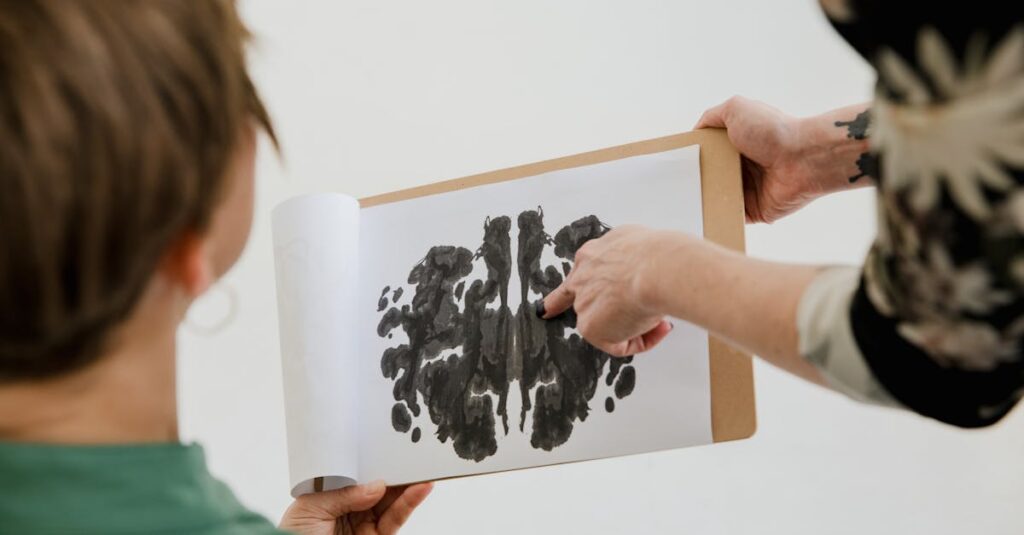
While psychological evaluation is not legally mandatory, it is often presented in psychological incapacity cases in the Philippines to:
- Explain personality structure
- Establish root causes
- Support functional incapacity
Courts now focus on consistency and totality of evidence rather than labels (De Silva v. De Silva, G.R. No. 247985. October 13, 2021 ); Dedicatoria v. Dedicatoria, G.R. No. 250618. July 20, 2022; Fopalan v. Fopalan, G.R. No. 250287. July 20, 2022; Georfo v. Republic, G.R. No. 246933. March 06, 2023; Republic v. Claur, G.R. No. 246868. February 15, 2022).
Common Patterns in Article 36 Psychological Incapacity Cases
Patterns frequently cited in psychological incapacity in the Philippines include:
- Chronic emotional abandonment
- Severe narcissistic traits
- Pathological lying
- Persistent infidelity rooted in personality disorder
- Extreme irresponsibility tied to enduring dysfunction
However, courts assess each Article 36 case individually based on evidence.
Timeline of Article 36 Psychological Incapacity Cases in the Philippines
The timeline for psychological incapacity in the Philippines varies depending on court congestion and evidentiary complexity.
Psychological incapacity cases typically take:
- 1.5 to 3 years
- Longer if contested
- Shorter if unopposed
Delays may occur due to:
- Psychological report preparation
- Court scheduling
- Prosecutor review (anti-collusion safeguard)
The timeline for psychological incapacity in the Philippines varies depending on procedural compliance and evidentiary complexity.
Psychological Incapacity and Child Custody in the Philippines
If children are involved, courts separately determine:
- Custody
- Visitation
- Support
Custody decisions follow the best interest of the child standard. Psychological incapacity in the Philippines does not automatically disqualify parental rights unless it directly affects the child’s welfare.
Frequently Asked Questions About Psychological Incapacity in the Philippines
Is psychological incapacity the same as mental illness?
No. Psychological incapacity in the Philippines refers to functional incapacity to comply with marital obligations, not necessarily a diagnosed psychiatric disorder (Alberto v. Alberto (2022)).
Can both spouses be psychologically incapacitated?
Yes. Courts have recognized mutual psychological incapacity in some cases.
Is expert testimony required?
Helpful but not strictly mandatory after Tan-Andal (Alberto v. Alberto (2022)).
Can psychological incapacity be cured?
The legal standard focuses on enduring incapacity rooted in personality structure at the time of marriage.
Practical Considerations Before Filing an Article 36 Petition
Because psychological incapacity in the Philippines requires careful evidence-building:
- Avoid casual or emotional framing
- Gather documentation early
- Identify consistent behavioral patterns
- Seek structured legal evaluation before filing
Article 36 petitions fail when grounded merely in marital disappointment rather than legally defined psychological incapacity.
Psychological incapacity in the Philippines remains the most litigated ground for declaration of nullity under Article 36 of the Family Code. Courts apply strict but clarified standards under recent jurisprudence.
Successful petitions are built on credible testimony, consistent evidence, and clear demonstration of enduring personality dysfunction that existed at the time of marriage.
Because psychological incapacity in the Philippines affects marital status and property rights, early legal guidance is essential.
This article was drafted by Romualdez Law Offices as part of its Family Law practice, for high-net-worth individuals and discerning clients exploring annulment options in the Philippines. It is based on prevailing jurisprudence and statutory authority. Article 36 psychological incapacity cases are highly fact-specific and require careful legal evaluation.
Psychological incapacity cases succeed not because of emotional narratives, but because of structured legal preparation. If you are exploring annulment or declaration of nullity, we encourage you to seek early legal guidance to evaluate your options and protect your interests. Consultations may be arranged through Romualdez Law Offices for a discreet and thorough case review.
Schedule a Consultation
Location
Soho 207 Mckinley Park Residences, 3rd ave. cor. 31st St., BGC, Taguig, Philippines, 1635
Email: executive@romualdezlaw.com
Contact Number: +63 952 489 1738
Pingback: Complete Annulment Cost in the Philippines (2026): Lawyer Fees, Court Costs, and Real Expenses - Romualdez Law Offices