

Immigration in the Philippines is governed by a structured legal framework that regulates the entry, stay, and departure of foreign nationals, as well as the status of former Filipinos and returning Filipinos. Whether you plan to work, invest, retire, marry a Filipino citizen, or regularize your stay, it is crucial to understand how the system works and what legal risks to avoid.
This guide provides a practical overview of Philippine immigration law, key visa categories, compliance obligations, and enforcement risks under the country’s immigration system.
1) Legal Framework of Immigration in the Philippines
A. The Philippine Immigration Act of 1940 (C.A. No. 613, as amended)
The primary statute governing immigration in the Philippines is Commonwealth Act No. 613, known as the Philippine Immigration Act of 1940. It created the Bureau of Immigration (BI) and centralized immigration administration under the Commissioner of Immigration.
“A Bureau of Immigration is established under a Commissioner of Immigration…”
— Commonwealth Act No. 613 (1940)
The Commissioner is the administrative head and is expressly empowered to administer immigration laws and issue implementing rules and instructions (not inconsistent with law):
“He shall have charge of the administration of all laws relating to the immigration of aliens into the Philippines… [and] shall issue… such rules and regulations… and… such instructions, not inconsistent with law…”
— Commonwealth Act No. 613 (1940)
Practical takeaway: Many day-to-day immigration requirements (forms, fees, documentary lists, scheduling) are handled through BI rules and circulars, but the authority traces back to C.A. 613 and its amendments.
B. Amendatory Laws Shaping Modern Immigration Practice
Several statutes amended C.A. 613 and remain relevant to modern immigration practice in the Philippines:
- R.A. 503 (1950) – Revised Section 9 and clarified categories of non-immigrants, reinforcing that non-immigrants cannot remain permanently without following proper procedures.
- R.A. 144 (1947) – Introduced the Emigration Clearance Certificate (ECC) requirement for aliens departing the Philippines.
- R.A. 1901 (1957) – Provided a more detailed schedule of immigration fees and related requirements.
These amendments continue to influence how immigration in the Philippines is implemented today.
C. BI’s Institutional Mandate and Deportation Jurisdiction
The Supreme Court has recognized the BI’s statutory role and structure under the Immigration Act framework, including the role of its Board of Commissioners and Boards of Special Inquiry, and the Board’s exclusive jurisdiction over deportation cases.
“The Bureau of Immigration is principally responsible for the administration and enforcement of immigration, citizenship and alien admission and registration laws…”
— Board of Commissioners of the Bureau of Immigration v. Wenle,G.R. No. 242957. February 28, 2023
2) Common Types of Philippine Visas (Overview)
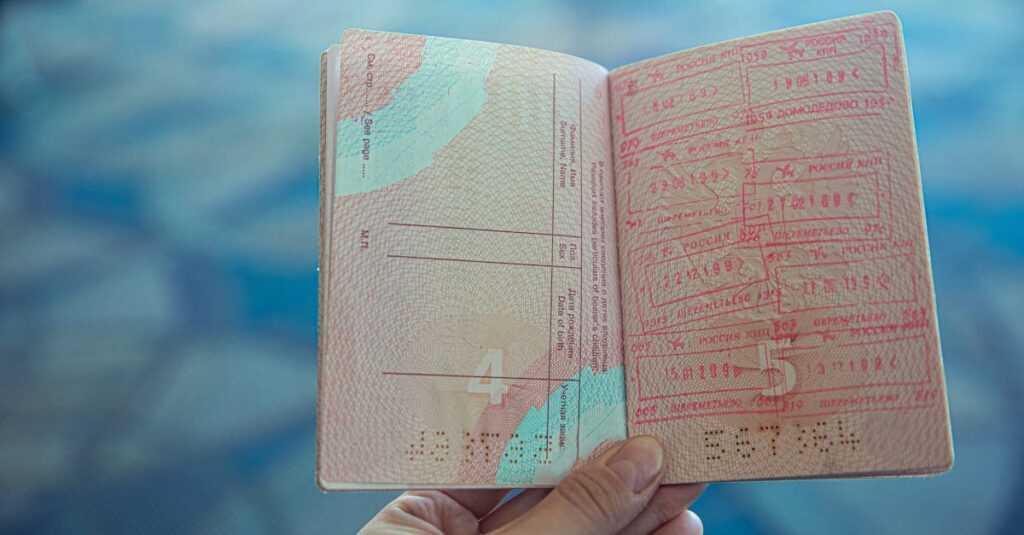
Important: Visa categories are grounded in law, but documentary requirements and processing steps are guided by BI/DOJ/DOLE implementing rules and checklists. Always verify current requirements before filing.
A. Temporary Visitor Visa (9A)
The 9A Temporary Visitor category is the most common entry status under immigration in the Philippines for tourism and short-term business activities.
Key features (practical):
- Often granted initially for a limited stay
- Typically extendible, subject to BI rules and maximum stay policies
- Employment is prohibited under visitor status
Common risk: Engaging in “work” while under 9A status may trigger immigration issues or derogatory records depending on the facts.
B. Work Visa (Commonly 9G in Practice)
Foreign nationals employed by a Philippine-based employer generally require a work-authorizing visa.
Typical requirements (practical):
- Proof of lawful employment
- Employer sponsorship documents
- DOLE-issued authority (commonly an Alien Employment Permit; confirm latest DOLE rules)
Compliance warning: Work-authorizing status is often employer-dependent. Changing employers usually requires updating immigration status.
C. Special Resident Retiree’s Visa (SRRV)
The SRRV is processed through the Philippine Retirement Authority and allows qualified retirees to reside long-term, subject to deposit/investment and documentary conditions.
Typical benefits (practical):
- Multiple-entry privileges
- Long-term or indefinite stay while compliant
- Streamlined processes compared to repeated visitor extensions
D. Marriage Visa / Non-Quota Immigrant Visa (13A)
Foreign spouses of Filipino citizens may apply for a spouse-based immigrant visa (13A).
Typical benefits:
- Long-term residence
- Potential transition to permanent resident status after compliance
Key risk: Fraud or misrepresentation may trigger denial, cancellation, or removal proceedings under Philippine immigration law.
E. Returning Filipinos, Former Filipinos, and Citizenship Issues
Immigration in the Philippines intersects with citizenship law. Citizenship status determines whether a person is treated as an alien subject to visa control.
The Supreme Court has emphasized that actions affecting citizenship or immigration status must comply with due process:
“The Bureau proceedings… and the DOJ Resolution… are void ab initio… in violation of… constitutional right to due process…”
— Prescott v. Bureau of Immigration, G.R. No. 262938, December 05, 2023
Practical takeaway: If BI or DOJ action affects recognized status (e.g., cancellation of citizenship-related approval), due process issues may be legally decisive.
3) Immigration in the Philippines: Compliance Requirements for Long-Term Stays
Foreign nationals staying long-term under immigration in the Philippines commonly encounter:
- Alien registration / identification documentation (e.g., ACR-related processes)
- Periodic reporting requirements
- Exit clearances in certain scenarios
- Emigration Clearance Certificate (ECC)
Why the ECC Matters
The ECC concept was introduced through amendments to the Immigration Act. It ensures that an alien departing the Philippines has met legal obligations and has no pending derogatory issues.
Legal basis: Republic Act No. 144 (1947)
Practical risk: Airport departure may be delayed or denied if required clearances are missing.
4) Common Immigration Problems (and How They Escalate)
A. Overstaying
Overstaying under Philippine immigration law may result in:
- Fines and penalties
- Complications in future applications
- Possible enforcement action
Regularization may be possible depending on circumstances.
B. Blacklist and Watchlist Issues
The Bureau of Immigration may restrict entry or re-entry due to:
- Violations of immigration laws
- Fraud or misrepresentation
- Criminal convictions or public safety concerns
Lifting restrictions usually requires a formal petition supported by documentation.
C. Deportation Proceedings and Due Process
Under the Immigration Act:
“No alien shall be deported without being informed of the specific grounds for deportation nor without being given a hearing…”
— Commonwealth Act No. 613 (1940)
The burden of proof may fall on the alien in certain proceedings:
“In any deportation proceeding involving the entry of an alien the burden of proof shall be upon the alien to show that he entered the Philippines lawfully…”
— Commonwealth Act No. 613 (1940)
Modern due process guardrails have also been discussed in Board of Commissioners of the Bureau of Immigration v. Wenle, supra.
Practical advice: Deportation exposure is high-stakes. Early legal guidance is critical.
5) Immigration and Business in the Philippines (Alignment Matters)
Foreign nationals who invest or operate businesses must align:
- Corporate role
- Actual day-to-day activities
- Visa or immigration authority
A mismatch between declared status and actual conduct can result in denial or cancellation of immigration benefits.
The Supreme Court has emphasized strict compliance with entry classifications. In Po v. Commissioner of Immigration, the Court refused to legalize permanent resident status absent compliance with statutory requirements.
Practical takeaway: Plan your immigration pathway before entry or before status expiration.
6) Why Legal Guidance Matters in Immigration in the Philippines
Philippine immigration practice is:
- Procedural and document-driven
- Influenced by agency discretion
- Sensitive to timelines and documentary consistency
Small technical errors can lead to:
- Visa denial
- Entry refusal
- Derogatory records
- Long-term immigration consequences
Legal assistance is particularly valuable for:
- Designing the correct visa or citizenship pathway
- Preventing documentary inconsistencies
- Managing overstays and derogatory records
- Protecting due process rights (as emphasized in Prescott v. Bureau of Immigration (2023))
Navigating Immigration in the Philippines
Immigration in the Philippines offers multiple lawful pathways for residence, employment, business, retirement, and family unification. However, compliance is essential. Each visa or status carries specific rights, limitations, and obligations.
Understanding the Philippine Immigration Act of 1940, its amendments, and the administrative authority of the Bureau of Immigration—along with due process protections in deportation and status-related actions—is the first step to protecting your stay and securing your long-term plans in the Philippines.
This article is prepared by Romualdez Law Offices as part of its Immigration Practice, providing legal insight and guidance on immigration in the Philippines for foreign nationals, returning Filipinos, and individuals seeking to regularize or protect their status.
Whether you are applying for a visa, resolving an overstay, facing a Bureau of Immigration issue, or planning a long-term move, Romualdez Law Offices can help you assess your status and protect your legal position.
Schedule a Consultation
Location
Soho 207 Mckinley Park Residences, 3rd ave. cor. 31st St., BGC, Taguig, Philippines, 1635
Email: executive@romualdezlaw.com
Contact Number: +63 952 489 1738
Pingback: Overstaying Philippines Penalty (2026): Complete Legal Guide to Fix an Overstay Visa - Romualdez Law Offices