
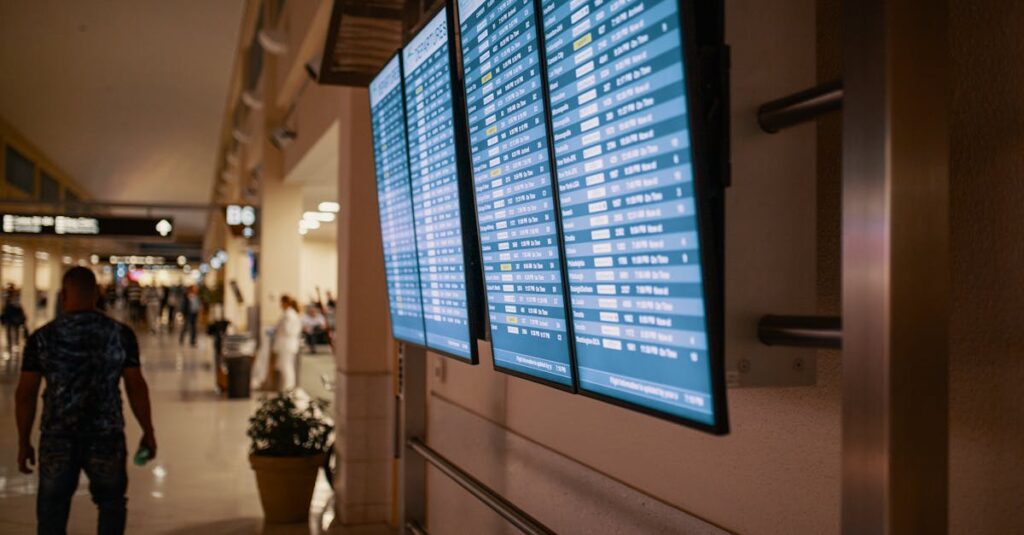
Lift Blacklist Order Philippines procedures allow certain foreign nationals to legally request removal from the Bureau of Immigration blacklist through a formal petition supported by evidence and legal justification.
The answer is yes — many blacklist orders in the Philippines can be lifted, but the process is discretionary and document-driven. A successful petition typically focuses on:
- Identifying the exact legal basis of the blacklist
- Proving the ground for blacklisting no longer exists
- Strictly complying with Bureau of Immigration procedures
Understanding how to lift a blacklist order in the Philippines requires knowledge of immigration law, BI administrative processes, and the proper presentation of evidence.
This guide explains the legal process, common grounds for blacklisting, and the step-by-step procedure to file a Petition to Lift Blacklist Order before the Bureau of Immigration in 2026.
What Is a Blacklist Order in the Philippines?
A blacklist order is an administrative restriction issued by the Bureau of Immigration that prohibits a foreign national from entering or re-entering the Philippines.
Once included in the BI blacklist database, the individual may:
- Be denied entry at Philippine airports
- Be refused a visa application
- Be prevented from boarding flights to the Philippines
- Be turned away at immigration counters
A blacklist order often results from immigration enforcement actions.
The Supreme Court has discussed BI enforcement powers in deportation and blacklist cases:
“Summary deportation shall bar the foreigner concerned from re-entry into the Philippines and his name shall be included in the BI Blacklist.”
— Board of Commissioners of the Bureau of Immigration v. Wenle, G.R. No. 242957. February 28, 2023
Lift Blacklist Order Philippines: Common Reasons for Blacklisting
Understanding the reason behind the blacklist is critical when preparing a petition to lift a blacklist order in the Philippines.
Common grounds include the following.
1. Immigration Violations
Foreign nationals who violate immigration rules may be blacklisted.
Examples include:
- Overstaying a visa
- Working without authorization
- Misrepresentation in visa applications
- Violating visa conditions
Repeated violations significantly increase the likelihood of blacklisting.
2. Deportation or Summary Deportation
The Bureau of Immigration has statutory authority to arrest and deport certain aliens.
The Supreme Court explained this authority:
“The following aliens shall be arrested upon the warrant of the Commissioner of Immigration… and deported… after a determination by the Board of Commissioners of the existence of the ground for deportation…”
— Board of Commissioners of the Bureau of Immigration v. Wenle, supra.
Foreign nationals deported through BI proceedings are frequently placed on the blacklist.
3. Criminal Cases or Derogatory Records
Foreign nationals involved in criminal proceedings may be blacklisted depending on the nature of the case.
Derogatory records may include:
- Criminal charges
- Convictions
- Interpol alerts
- Security concerns raised by authorities
4. Undesirable Alien Classification
The Bureau of Immigration may declare a foreign national an undesirable alien if their presence is considered contrary to public interest or national security.
These determinations are highly fact-specific and often require strong legal rebuttal.
Lift Blacklist Order Philippines: Legal Process
The process to lift a blacklist order in the Philippines generally involves filing a Petition for Lifting or Delisting before the Bureau of Immigration.
Foreign nationals seeking to lift blacklist order Philippines restrictions must file a formal petition before the Bureau of Immigration Board of Commissioners.
Below is the typical step-by-step process.
Step 1: Confirm the Existence of the Blacklist
Many individuals only discover they are blacklisted when they attempt to enter the Philippines.
Verification may be done through:
- Bureau of Immigration records inquiry
- Review of prior immigration cases
- Legal verification through counsel
Documents that may help identify the issue include:
- Passport stamps
- ACR I-Card history
- Previous immigration clearances
- Prior deportation or enforcement orders
Step 2: Identify the Legal Basis of the Blacklist
A petition to lift a blacklist order in the Philippines must address the specific legal ground for the restriction.
Examples:
Overstay violations
Submit proof penalties were paid and status issues resolved.
Deportation cases
Explain why the deportation ground no longer exists.
Criminal case basis
Provide certified court orders showing dismissal, acquittal, or final resolution.
Misrepresentation allegations
Submit official records and sworn explanations correcting the record.
Step 3: File a Petition to Lift Blacklist Order
A formal Petition to Lift Blacklist Order is filed before the Board of Commissioners of the Bureau of Immigration.
The petition usually contains:
- Detailed immigration history
- Identification of the blacklist order
- Legal arguments supporting removal
- Documentary evidence
Common supporting documents include:
- Passport copy
- Immigration records
- Court decisions
- NBI clearance
- Police clearances
- Affidavits explaining circumstances
- Proof of family or business ties in the Philippines
Strong documentation is critical when requesting the BI to lift a blacklist order.
Step 4: Bureau of Immigration Evaluation
Once filed, the Bureau of Immigration reviews the petition.
The BI may examine:
- Prior immigration enforcement records
- Deportation orders
- Criminal case records
- Security clearances
- Compliance history
A common legal issue in immigration disputes is exhaustion of administrative remedies.
The Supreme Court emphasized this principle in:
Nagel v. Board of Commissioners, Bureau of Immigration
Failure to pursue available BI remedies may prevent judicial review.
Step 5: Issuance of BI Resolution
After evaluation, the Bureau of Immigration may issue a Resolution either:
- Granting the petition and lifting the blacklist, or
- Denying the petition
If granted, the foreign national will be removed from the BI blacklist database, allowing future entry to the Philippines.
If denied, further remedies such as a motion for reconsideration may be available.
Factors That Help Successfully Lift a Blacklist Order
While BI decisions are discretionary, strong petitions usually show:
- The original violation has been resolved
- Time has passed since the incident
- The applicant has no further immigration violations
- There are family or business ties in the Philippines
- The applicant does not pose a public safety risk
Proper documentation and a structured legal argument significantly improve the chances of success.
How Long Does the Blacklist Lifting Process Take?
There is no fixed timeline for lifting a blacklist order in the Philippines.
Processing time depends on:
- Complexity of the immigration case
- Availability of documents
- Age of BI records
- Bureau of Immigration workload
In practice, cases may take several weeks to several months.
Why Legal Assistance Is Important
Petitions to lift blacklist orders in the Philippines require careful legal preparation.
A mistake in documentation or legal strategy can lead to delays or denial.
Legal assistance helps ensure:
- The correct immigration issue is identified
- Supporting evidence is properly organized
- Administrative remedies are properly exhausted
- Legal arguments are clearly presented to the BI
A blacklist order in the Philippines is serious but not always permanent.
Foreign nationals may seek relief by filing a Petition to Lift Blacklist Order before the Bureau of Immigration Board of Commissioners, supported by evidence that the original ground has been resolved and that re-entry will not harm public interest.
With proper documentation and legal strategy, many individuals are able to restore their ability to travel to the Philippines.
Need Help Lifting a Blacklist Order in the Philippines?
If you believe you may be blacklisted or need assistance filing a Petition to Lift Blacklist Order, legal guidance is critical.
This article is drafted by Romualdez Law Offices as part of its immigration practice, offering legal insight on Bureau of Immigration procedures, blacklist orders, and immigration compliance in the Philippines.
Schedule a Consultation
Location
Soho 207 Mckinley Park Residences, 3rd ave. cor. 31st St., BGC, Taguig, Philippines, 1635
Email: executive@romualdezlaw.com
Contact Number: +63 952 489 1738
Pingback: Overstaying Philippines Penalty (2026): Complete Legal Guide to Fix an Overstay Visa - Romualdez Law Offices