
Demand letter Philippines practice begins with a simple but legally significant act — placing a party on formal notice to perform an obligation. In practice, a Demand Letter Philippines requirement is often the first formal step in asserting a legal right before litigation.
Beyond formality, it carries legal consequences. A properly issued demand may also interrupt prescription and, in certain cases such as ejectment, form part of the jurisdictional basis of the case.
What Is a Demand Letter Philippines Legal Framework
A demand letter is a written communication asserting a legal right and requiring compliance within a specified period, usually with notice of legal action if ignored.
It is commonly used to:
- Require payment of a sum of money
- Enforce contractual obligations
- Demand return of property
- Require a party to vacate premises
- Stop unlawful or harmful acts
At its core, it defines the dispute and formally places the other party on notice.
Why Demand Letters Have Legal Effect: Delay and Liability
Under the Civil Code, demand is not merely procedural — it can determine liability.
“Those obliged to deliver or to do something incur in delay from the time the obligee judicially or extrajudicially demands from them the fulfillment of their obligation.”
— Civil Code, Art. 1169
Once delay sets in, liability for damages follows:
“Those who in the performance of their obligations are guilty of fraud, negligence, or delay… are liable for damages.”
— Civil Code, Art. 1170
In practical terms, without proper demand, a claim for damages or interest may be weakened.
When Is a Demand Letter Philippines Requirement Necessary?

General Rule
In many civil obligations, yes. Demand is what places the obligor in default and strengthens claims for damages and interest under Article 1169.
Exceptions
Demand is not necessary when:
- The law or the contract expressly states it is not required
- Time is of the essence (performance at a specific time is controlling)
- Demand would be useless (performance is impossible)
Even where not strictly required, demand is almost always advisable from a strategic standpoint.
Special Rule: Demand in Ejectment Cases (Unlawful Detainer)
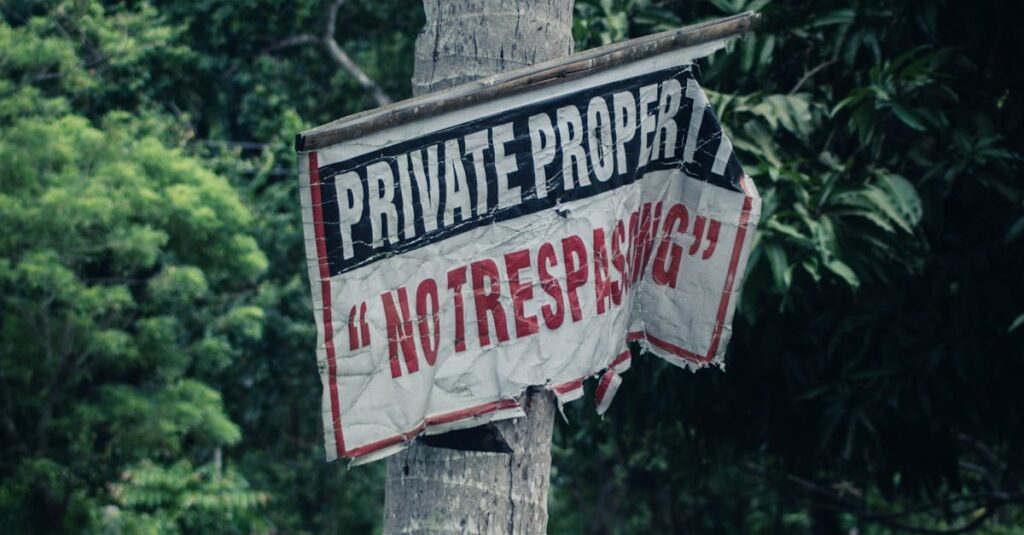
In ejectment cases, demand may go beyond delay — it may be essential to the cause of action.
Under Rule 70:
No landlord may file an ejectment case for non-payment of rent or violation of lease conditions unless the tenant fails to comply after demand within the required period (15 days for land, 5 days for buildings).
Failure to properly allege and prove demand can affect jurisdiction.
The Supreme Court has emphasized that unlawful detainer cases must establish:
- Lawful initial possession
- Termination of the right to possess
- Demand to vacate
(See De Guzman-Fuerte v. Estomo, G.R. No. 223399, APRIL 23, 2018)
Poorly structured or ambiguous demands may be attacked as insufficient (see Union Bank v. Philippine Rabbit, G.R. No. 205951, July 04, 2016).
What a Proper Demand Letter Should Contain
A professionally drafted demand letter should include:
- Correct identification of parties
- Clear factual background (dates, amounts, agreements)
- Specific demand (exact obligation to be performed)
- Reasonable deadline
- Legal basis (where appropriate)
- Notice of consequences if ignored
- Supporting documents (contracts, statements, receipts)
Clarity matters. Precision matters more.
In these cases, a compliant Demand Letter Philippines requirement may determine whether the case proceeds.
Why Demand Letters Matter (Beyond Formality)
1. It Can Interrupt Prescription
A written extrajudicial demand interrupts the running of prescription:
“The prescription of actions is interrupted… when there is a written extrajudicial demand…”
— Civil Code, Art. 1155
Once interrupted, the prescriptive period begins to run again.
(See Republic v. Bañez, G.R. No. 169442, October 14, 2015)
This is why a Demand Letter Philippines strategy is often used to preserve claims before filing a case.
2. It Strengthens Evidence
A demand letter becomes part of your documentary evidence.
However, its value depends on proof of service and receipt.
Without proof, its legal effect may be challenged.
3. It Frames the Dispute Early
A well-structured demand letter:
- Clarifies issues
- Signals seriousness
- Encourages settlement
Many disputes are resolved at this stage.
Application to Common Situations
Unpaid Loans / Collection
Demand places the debtor in delay and supports claims for damages and interest.
Lease and Property Disputes
Compliance with Rule 70 is critical.
Improper demand may weaken or defeat the case.
Contractual Breaches
Demand is often necessary to trigger delay and establish liability.
Practical Risks and Common Mistakes
- Sending to the wrong party or address
- Failure to prove service or receipt
- Vague or inconsistent demands
- Overstated or legally unsupported claims
- Improper wording in ejectment situations
Legal drafting is not about sounding aggressive — it is about being correct.
Strategic Use of Demand Letters
A demand letter is not separate from litigation strategy.
It affects:
- Whether the case will be filed
- How the opposing party responds
- The strength of evidence
- Settlement leverage
Handled properly, it can resolve disputes without litigation.
Handled poorly, it can complicate them.
Conclusion
A demand letter in the Philippines is often the first decisive step in dispute resolution. It places parties in legal delay, supports claims for damages, and may interrupt prescription. In certain cases, particularly ejectment, it can determine whether a case proceeds at all.
For this reason, it must be approached with care — in both substance and execution.
Related reading:
Litigation and Dispute Resolution in the Philippines: What You Must Know Before Filing a Case
This guide is prepared by Romualdez Law Offices, a Bonifacio Global City (BGC)-based law firm representing individuals and businesses in civil, commercial, and property-related disputes in the Philippines. The firm provides strategic legal assessment, pre-litigation advisory, and court representation.
If you are dealing with an unpaid obligation, breach of contract, or a developing dispute, a properly structured demand letter can significantly affect the outcome.
Early legal guidance helps ensure that your position is clear, enforceable, and properly documented from the outset.
You may schedule a consultation through our website or contact our office to discuss your situation in confidence.
Schedule a Consultation
Location
Soho 207 Mckinley Park Residences, 3rd ave. cor. 31st St., BGC, Taguig, Philippines, 1635
Email: executive@romualdezlaw.com
Contact Number: +63 952 489 1738
Pingback: Demand Letter Philippines: When It Is Required and How to Use It Strategically - Romualdez Law Offices
Pingback: Sub Judice Rule Philippines: 5 Critical Posting Mistakes That Can Lead to Contempt - Romualdez Law Offices
Pingback: How to Check if a Lawyer Is Legit (Philippines): 7 Critical Checks Before You Pay - Romualdez Law Offices