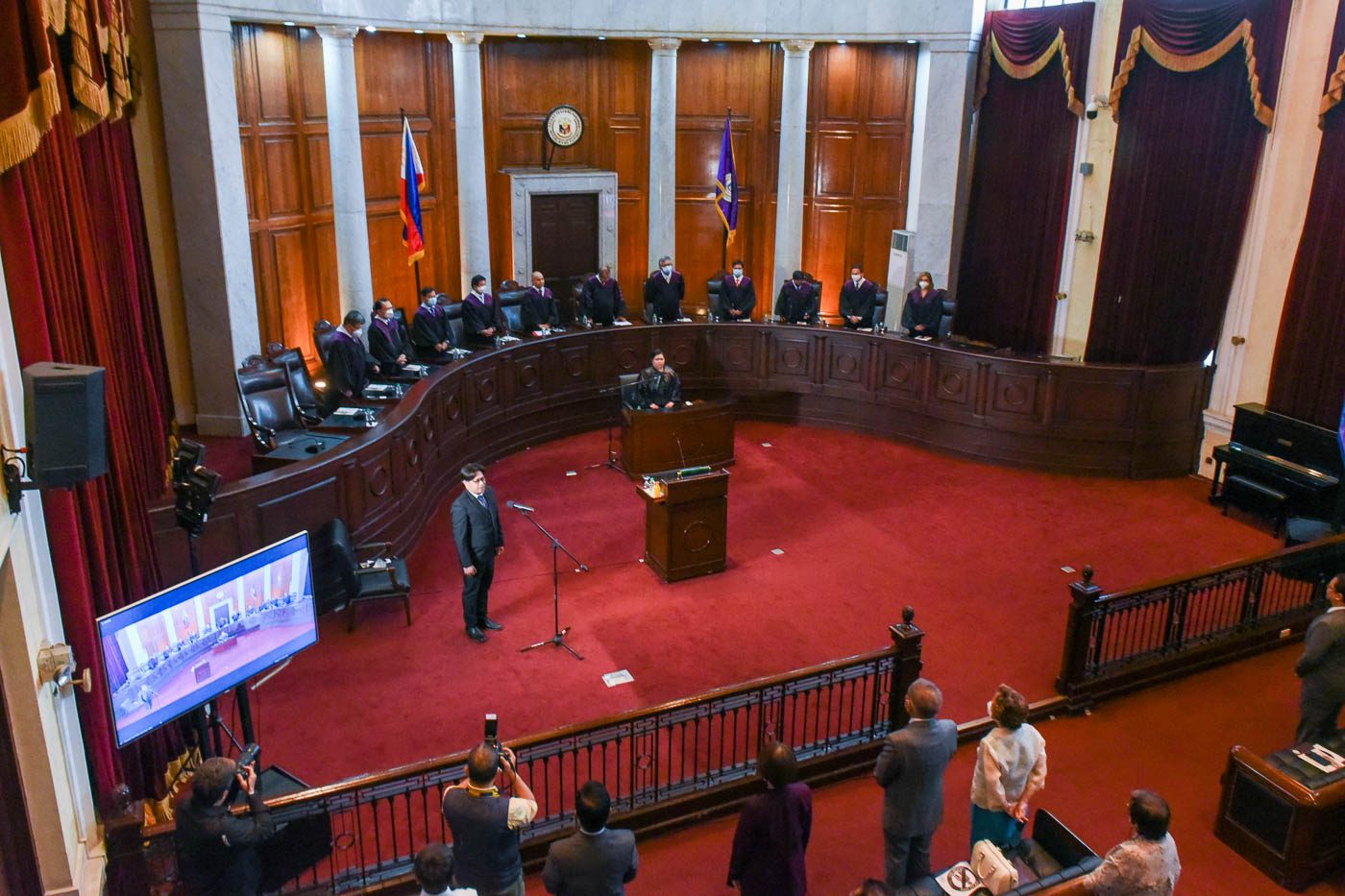
Sub judice rule Philippines issues arise when individuals post about pending court cases in a way that may influence the outcome or interfere with the administration of justice.
Not all commentary is punishable. The Supreme Court requires specific elements before liability attaches, and it continues to recognize freedom of expression—particularly for fair and accurate reporting.
What Is the Sub Judice Rule Philippines?
The sub judice rule Philippines refers to the principle that matters under judicial consideration should not be discussed in a way that influences the outcome of a case.
The purpose is simple:
- Courts must decide cases based on evidence and law
- Not public pressure
- Not viral narratives
- Not online campaigns
This issue has become more relevant with social media, where posts can quickly reach thousands—or millions—of people.
When Does the Sub Judice Rule Philippines Apply?
The legal risk when posting about a pending case is usually indirect contempt under Rule 71.
For liability to arise, the Supreme Court requires that the following be shown:
- The specific act or statement made
- The mental element (e.g., reckless disregard)
- A clear and present danger to the administration of justice
- Actual impact on judicial independence
If these elements are not established, the case for contempt should fail.
The sub judice rule Philippines protects the integrity of court proceedings from external influence.
Posting About Pending Case Philippines: When It Becomes Risky
You are more likely to face legal risk if your post:
- Declares a party “definitely guilty” or “definitely innocent” while trial is ongoing
- Attacks or questions the integrity of the judge
- Encourages public action against the court or parties
- Spreads misleading or unverified claims
- Incites harassment or violence
The issue is not just speech — it is impact.
Social Media and Influencers: Higher Risk, Higher Standard
The Supreme Court has recognized that high-reach individuals (influencers, public figures) carry greater responsibility.
Why?
- Their posts can go viral
- They can shape public opinion rapidly
- They can unintentionally pressure courts
Because of this, courts may apply stricter scrutiny when evaluating online speech from high-visibility accounts.
What You Can Post (Lower-Risk Content)
While there is no “safe” category, these are generally lower-risk:
- Neutral updates about court proceedings
- Accurate reporting of what happened in court
- Legal education (without targeting parties or judges)
- Objective summaries without conclusions
The key is restraint and accuracy.
What to Avoid Posting (High-Risk Content)
Avoid posts that:
- Try to influence the outcome of the case
- Attack the judge or court integrity
- Mobilize followers against parties or witnesses
- Use inflammatory or accusatory language
These are the types of posts most likely to be treated as contempt.
Violating the sub judice rule Philippines may expose a person to indirect contempt.
If You Are Directly Involved in the Case
Extra caution is required if you are:
- A party to the case
- A lawyer
- A witness
- A journalist covering the matter
Speech from these individuals is more likely to affect proceedings and may be scrutinized more closely.
Courts assess whether the sub judice rule Philippines has been breached based on impact and intent.
Can You Share Your Opinion?
Yes — but with limits.
You may express views, but risk arises when your statements:
- Show reckless disregard for the truth
- Create public pressure on the court
- Undermine judicial independence
Truth alone is not always a complete defense. Context and effect matter.
Understanding the sub judice rule Philippines is essential before posting online about a pending case.
Frequently Asked Questions (Sub Judice Rule Philippines)
Can I post about a pending case in the Philippines?
Yes, but posting about a pending case in the Philippines may expose you to indirect contempt if your content creates a clear and present danger to the administration of justice or undermines judicial independence.
What is the sub judice rule in the Philippines?
The sub judice rule in the Philippines prevents public commentary that may influence the outcome of a pending case or interfere with the court’s independence.
What is indirect contempt in the Philippines?
Indirect contempt in the Philippines refers to acts committed outside the presence of the court that obstruct or degrade the administration of justice, including certain social media posts.
Can I criticize a judge handling a pending case?
Criticism is not automatically prohibited, but posts that attack the integrity of a judge or attempt to influence a pending case may expose the author to contempt proceedings.
Is posting on social media about a case illegal?
Not always. However, posting becomes risky if it spreads misinformation, pressures the court, or incites harassment against parties, witnesses, or judges.
Sub Judice Rule Philippines: Practical Takeaways
- Not all posts are illegal
- Context and impact determine liability
- Influence over the court is the key concern
- High-reach accounts face higher scrutiny
- Precision and restraint reduce legal risk
The sub judice rule Philippines applies more strictly in high-profile or widely shared content.
Posting about a pending case in the Philippines becomes legally risky when it crosses from commentary into interference with the administration of justice.
The sub judice rule Philippines is not designed to silence discussion — it is meant to protect the integrity of the judicial process.
Understanding where that line is can prevent exposure to indirect contempt Philippines liability.
If you are involved in a pending case or concerned about potential contempt of court in the Philippines, it is best to seek legal guidance before making public statements.
Early advice can help you protect your rights while avoiding unnecessary legal risk.
Related Readings:
- Special Power of Attorney Philippines: How to Draft and Notarize Your SPA in 2026
- Demand Letter Philippines: 7 Critical Legal Rules You Must Know
- Notary Public Philippines: How to Properly Notarize Documents in 2026
- Litigation and Dispute Resolution in the Philippines: What You Must Know Before Filing a Case
This guide is prepared by Romualdez Law Offices, a Bonifacio Global City (BGC)-based law firm representing individuals and businesses in civil, commercial, and property-related disputes in the Philippines.
Schedule a Consultation
Location
Soho 207 Mckinley Park Residences, 3rd ave. cor. 31st St., BGC, Taguig, Philippines, 1635
Email: executive@romualdezlaw.com
Contact Number: +63 952 489 1738