
Confused about authorized capital, subscribed capital, and paid-up capital in the Philippines? You’re not alone. Many entrepreneurs and business owners struggle with these terms during corporate registration, leading to costly mistakes, compliance issues, and credibility problems with banks, regulators, and investors.
Authorized capital vs paid-up capital in the Philippines is one of the most misunderstood concepts during corporate registration.
This guide focuses on authorized capital vs paid-up capital in the Philippines and how these concepts affect corporate registration and compliance in 2026.
Quick Legal Summary (2026)
In plain terms:
• Authorized capital = how much your corporation may issue
• Subscribed capital = how much shareholders promise to buy
• Paid-up capital = how much is actually paid
• Most Philippine corporations have no fixed minimum paid-up capital
• Foreign-owned and regulated businesses may have higher statutory minimums
Capital disclosures are reviewed during incorporation by the Securities and Exchange Commission.
What Is Authorized Capital Stock?

Authorized capital stock is the maximum amount of share capital that a Philippine corporation is legally allowed to issue, as stated in its Articles of Incorporation. It represents the corporation’s total fundraising potential—not the amount that must be paid up front.
Key features:
- Increasing it later requires SEC approval and amendment of the Articles of Incorporation
- Sets the upper limit for share issuances
- Does not require immediate payment
“A corporation shall have perpetual existence unless its articles of incorporation provides otherwise.”
— Section 11 of the Revised Corporation Code
Example:
If your corporation’s authorized capital stock is ₱5,000,000 (50,000 shares at ₱100 par value), you are allowed to issue up to that amount over time, but you don’t need to pay it all at once.
What Is Subscribed Capital?

Subscribed capital is the portion of the authorized capital that shareholders agree to buy. At incorporation, not all authorized capital needs to be subscribed. Subscriptions can be structured based on business needs and growth plans.
- Not all subscriptions need to be fully paid immediately
- Represents a binding commitment to purchase shares
What Is Paid-Up Capital?
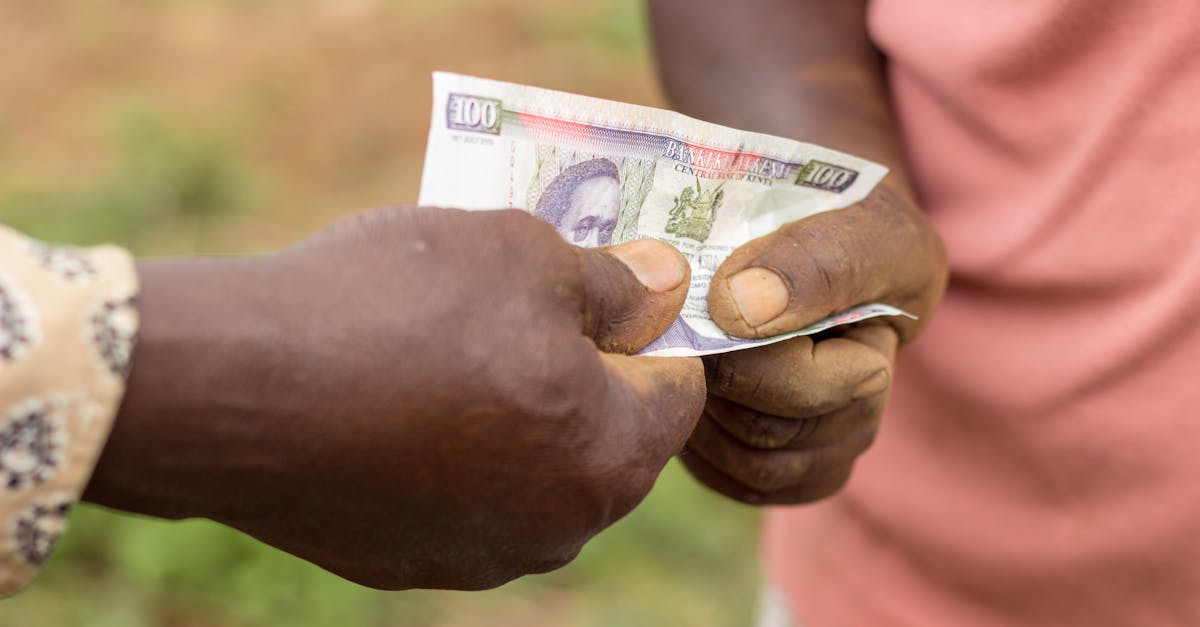
Paid-up capital is the portion of the subscribed capital that has actually been paid to the corporation—either in cash or property. This is the amount that appears in the Treasurer’s Affidavit and is scrutinized by banks, regulators, and investors.
Key points:
- Paid-up capital is the actual money or property received by the corporation
- It directly affects your company’s credibility and risk profile
- Banks and investors often require proof of paid-up capital
Is There a Minimum Paid-Up Capital in the Philippines?

For most all-Filipino corporations, there is no longer a fixed statutory minimum paid-up capital. The old ₱5,000 rule is outdated for most businesses, except where special laws apply.
In general, stock corporations are not required to have a minimum authorized capital stock or minimum paid-up capital at incorporation, unless specifically required by special laws.
Corporations can now start with any amount of paid-up capital, although special laws may mandate specific capitalizations for certain industries, such as foreign-owned companies.
Practical tip:
Setting a very low paid-up capital may be legal, but it can undermine your business’s credibility with banks, landlords, and partners.
The “25% subscribed and 25% paid” requirement, however, is retained if a corporation increases its capital stock.
Provided, That the Commission shall not accept for filing any certificate of increase of capital stock unless accompanied by a sworn statement of the treasurer of the corporation accompanied by a sworn statement of the treasurer of the corporation lawfully holding office at the time of the filing of the certificate, showing that at least twenty-five percent (25%) of the increase in capital stock has been subscribed and that at least twenty-five percent (25%) of the amount subscribed has been paid in actual cash to the corporation or that property, the valuation of which is equal to twenty-five percent (25%) of the subscription, has been transferred to the corporation: Provided, further, That no decrease in capital stock shall be approved by the Commission if its effect shall prejudice the rights of corporate creditors...
When Paid-Up Capital Matters Most
Paid-up capital is critical when:
- opening bank accounts or applying for loans
- entering into commercial leases
- dealing with regulators or applying for permits
- attracting investors or partners
- facing legal disputes over liability or bad faith
A corporation with minimal paid-up capital but substantial contracts may face questions about good faith, capitalization adequacy, and separation of corporate and personal assets.
Capital Requirements for Foreign-Owned Corporations
Foreign-owned corporations in the Philippines are subject to higher minimum paid-up capital requirements, especially for domestic market enterprises. These thresholds are often set in USD equivalents and are strictly enforced at registration and regulatory review.
- Export-oriented enterprises may qualify for lower requirements or exemptions
- Capital compliance is checked at registration, amendments, and licensing
Capital Structure in a One Person Corporation (OPC)
For One Person Corporations (OPCs), capitalization is even more sensitive:
- the sole stockholder must demonstrate adequate financing
- strict separation of personal and corporate funds is required
- low capitalization and commingling of funds increase personal liability risk
Authorized vs Paid-Up Capital: Side-by-Side Comparison
| Aspect | Authorized Capital | Paid-Up Capital |
| Meaning | Maximum shares the corporation may issue | Amount actually paid |
| Requires payment? | No | Yes |
| Appears in Articles? | Yes | Reflected through affidavits |
| Affects credibility | Indirectly | Directly |
| Easy to change later? | No (SEC amendment required) | Yes |
Compliance Checklist for 2026
- Draft Articles stating authorized capital
- Prepare Treasurer’s Affidavit
- Check special capital requirements (foreign or regulated businesses)
- Keep documentation for bank, investor, and regulatory review
Risk Assessment Table
| Risk Level | Legal Issue | Potential Impact | Mitigation Strategy |
| High | Under capitalization | Bank/investor rejection | Set realistic paid-up capital |
| Medium | SEC non-compliance | Registration delays | Follow statutory rules |
| Low | Outdated structure | Credibility issues | Review capital as business grows |
In practice, disputes about authorized capital vs paid-up capital in the Philippines often arise during banking, investment, or compliance reviews.
Strategic Advisory
Action Items:
Set authorized and paid-up capital based on business reality—not just minimum legal thresholds.
Industry Implications:
Regulated sectors (finance, education, foreign investment) often impose higher minimums.
Client Considerations:
Under-capitalization may be legal but commercially damaging.
Frequently Asked Questions (FAQs – 2026)
Is authorized capital the same as paid-up capital?
No. Authorized capital is the maximum shares allowed; paid-up capital is the amount actually paid.
Can paid-up capital be increased later?
Yes, as long as it remains within authorized capital.
Do banks require minimum paid-up capital?
Often yes, as a matter of risk assessment, even if the law does not.
Related Readings:
Choosing the Right Business Structure in the Philippines (2026 Guide)
Minimum Capital Requirement for Corporations in the Philippines (2026 Guide)
Can Foreigners Own a Corporation in the Philippines? (2026 Legal Guide)
This guide is written by Romualdez Law Offices, a BGC-based law firm assisting local and foreign entrepreneurs with business registration, compliance, and corporate structuring in the Philippines.
Every case is different. If you’re dealing with a custody, corporate, or immigration issue, you may book a consultation with our office to assess your legal options properly.
Schedule a Consultation
Location
Soho 207 Mckinley Park Residences, 3rd ave. cor. 31st St., BGC, Taguig, Philippines, 1635
Email: executive@romualdezlaw.com
Contact Number: +63 952 489 1738