
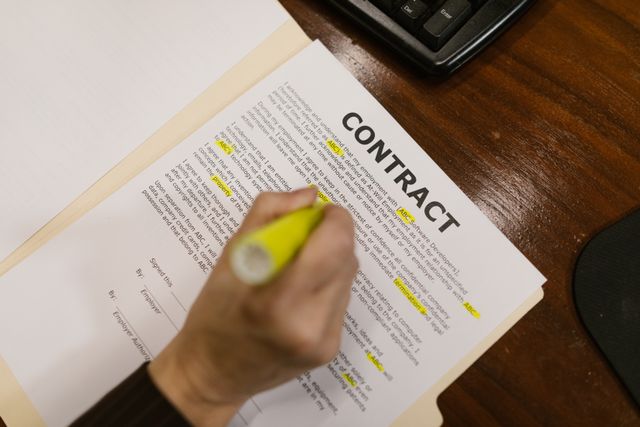
Cancel fraudulent deed of sale in the Philippines, a property owner may file an appropriate court action to annul or declare the deed void and, where necessary, recover ownership or cancel a fraudulently issued land title.
A forged deed of sale is void from the beginning. However, when a property owner actually signed the deed but was deceived into consenting, the contract may instead be voidable. This distinction determines the proper legal remedy and prescriptive period.
How to Cancel a Fraudulent Deed of Sale: Legal Grounds
Under the Civil Code of the Philippines, the legal remedy depends on the nature of the fraud.
- Article 1390: A contract obtained through fraud that vitiates consent is voidable and may be annulled.
- Article 1391: An action to annul a voidable contract on the ground of fraud must generally be filed within four years from discovery of the fraud.
- Article 1409: Absolutely simulated or fictitious contracts are void from the beginning.
- Article 1410: An action or defense seeking a declaration that a contract is void or inexistent does not prescribe.
A forged signature generally means the supposed seller never consented to the sale. The deed is therefore void, rather than merely voidable.
What Does the Supreme Court Say About Forged Deeds of Sale?
In G.R. No. 241330, December 2022, the Supreme Court reaffirmed that a forged deed of absolute sale is void and conveys no ownership.
The Court also explained that notarization does not make a forged document valid. The presumption of regularity attached to a notarized deed may be overcome by sufficient evidence of forgery.
In Redondo v. Jimenez, G.R. No. 161479, October 18, 2007, the Supreme Court distinguished fraud affecting a party’s consent from a void transaction. It applied the four-year prescriptive period to an action for annulment based on fraudulent inducement.
These rulings establish why identifying the precise nature of the fraud is essential before filing a case.
How to Cancel a Fraudulent Deed of Sale in 5 Steps
1. Obtain the property documents. Secure certified true copies of the title, deed of sale, and relevant Registry of Deeds records.
2. Establish the fraud. Gather specimen signatures, communications, payment records, notarial records, and other evidence showing forgery, deception, or lack of consent.
3. Determine the proper court action. Depending on the circumstances, the remedy may involve annulment of a voidable deed, declaration of nullity, reconveyance, quieting of title, or cancellation of title.
4. Protect the property during litigation. Where legally justified, consider a notice of lis pendens or appropriate provisional relief to protect the disputed property.
5. Enforce the court judgment. If the court grants the necessary relief, comply with the requirements for registering the judgment and correcting or cancelling the affected title.
Can a Fraudulent Land Title Be Cancelled?
Yes, in appropriate circumstances.
Under Section 53 of Presidential Decree No. 1529, registration obtained through a forged deed or instrument is null and void.
However, the rights of subsequent purchasers must be carefully examined. The Torrens system protects qualifying purchasers in good faith under applicable legal principles, and the existence of a forged deed does not automatically resolve every subsequent ownership dispute.
How Long Do You Have to Challenge a Fraudulent Sale?
The prescriptive period depends on the cause of action.
| Legal action | General rule |
|---|---|
| Annulment for fraud affecting consent | Four years from discovery of fraud, subject to jurisprudence on constructive notice |
| Declaration of nullity of a void deed | Imprescriptible under Article 1410 |
| Reconveyance based on implied or constructive trust | Generally ten years from issuance or registration of title, subject to recognized exceptions |
| Quieting of title by an owner in possession | Generally imprescriptible while possession continues |
The allegations, evidence, possession, registration history, and relief requested determine which rule applies.
Frequently Asked Questions (FAQs)
1. Can a notarized deed of sale be declared void?
Yes. Notarization does not validate a forged signature or an otherwise void transaction.
2. Can a deed of sale be cancelled without the buyer’s consent?
Yes, through an appropriate judicial action when legally sufficient grounds are established.
3. What if someone forged my signature on a deed of sale?
You may seek a declaration of nullity and other appropriate remedies, including reconveyance or cancellation of title where warranted. Criminal remedies may also be available.
4. Can heirs challenge a fraudulent deed of sale?
Yes, when they have the necessary legal interest or standing and can establish the applicable grounds for challenging the transaction.
5. Can I recover property already transferred to another buyer?
Possibly. Recovery depends on the validity of the original transaction, subsequent transfers, the buyer’s good faith, and applicable property registration laws.
Consult a Property Litigation Lawyer in the Philippines
A fraudulent deed of sale can result in the unauthorized transfer of valuable real estate, disputed ownership, and substantial financial losses.
Romualdez Law Offices, based in Bonifacio Global City, Taguig, provides legal assistance involving fraudulent de
This article is written by Romualdez Law Offices, a Philippine law firm that assists clients in estate settlement, succession law, probate proceedings, property transactions, and civil litigation.
Related Articles:
- Cancel Contract to Sell Philippines: 5 Essential Legal Steps
- Unnotarized Deed of Sale Philippines: 5 Important Legal Facts
- Can You Sell Property Without a Deed of Sale in the Philippines? Complete 2026 Guide
- Can a Buyer Cancel a Deed of Absolute Sale in the Philippines?
- What Happens if the Seller Dies Before Transfer of Title in the Philippines? (2026 Guide)
- Can You Sell Property Before Estate Settlement Philippines? Complete 2026 Legal Guide
- Can You Disinherit an Heir Under Philippine Law? (2026 Guide): Legal Grounds, Requirements, and Supreme Court Rulings
- Judicial Settlement of Estate Philippines (2026 Guide): Process, Requirements, Costs, Timeline, and When to File
- Probate of Will Philippines (2026 Guide): Process, Requirements, Timeline, and Legal Pitfalls
- Inherited Property Philippines (2026 Guide): Legal Rights, Co-Ownership, and What to Do After Death
- Estate Tax Philippines (2026 Guide): Rates, Deadlines, Requirements, and How to Avoid Penalties
- Last Will and Testament Philippines (2026 Guide): Legal Requirements, Types, and How to Make a Valid Will
- How to Do Extrajudicial Settlement Philippines (2026 Step-by-Step Legal Guide)
- Extrajudicial Settlement of Estate in the Philippines (2026): Complete Legal Guide for Heirs
Schedule a Consultation
Location
Soho 207 Mckinley Park Residences, 3rd ave. cor. 31st St., BGC, Taguig, Philippines, 1635
Email: executive@romualdezlaw.com
Contact Number: +63 952 489 1738