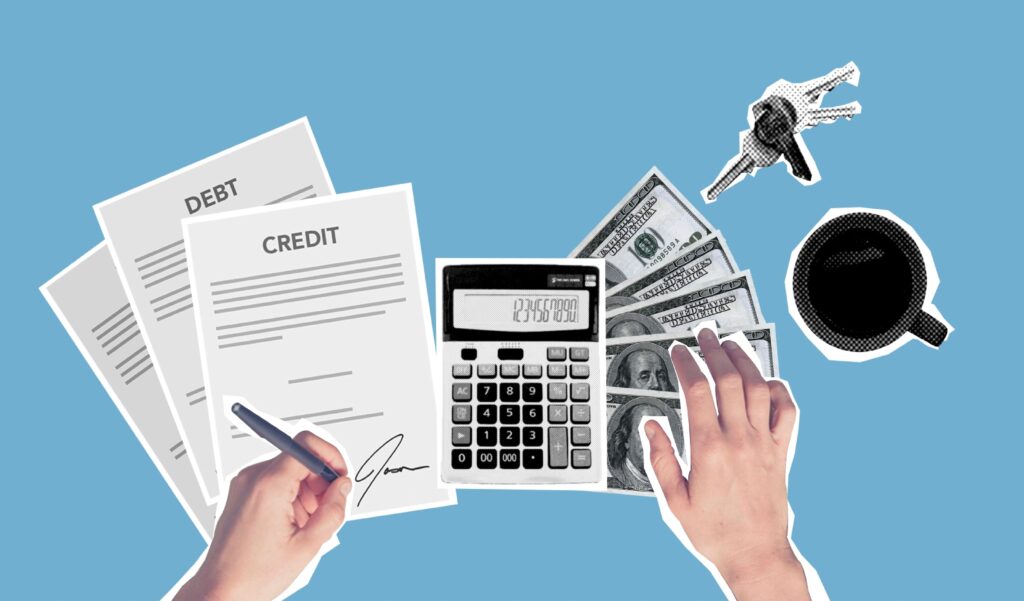
Recover unpaid loan Philippines: A creditor may file an appropriate collection action when a borrower fails to repay an enforceable debt that has become due.
Depending on the agreement and applicable law, the creditor may also recover interest, damages, and certain litigation expenses.
Recover Unpaid Loan Philippines: What Does the Law Say?
Under Article 1159 of the Civil Code, contractual obligations have the force of law between the parties.
Article 1169 governs delay, including when demand is generally necessary. Article 1170 addresses liability for damages arising from fraud, negligence, delay, or contravention of contractual terms.
A creditor should establish the loan, the amount outstanding, maturity, and the borrower’s failure to pay.
Can Interest Be Recovered?
Yes, subject to the governing rules.
Under Article 1956 of the Civil Code, interest as compensation for the use of money is generally due only when expressly stipulated in writing.
Interest imposed as damages for delay is a separate matter.
In Nacar v. Gallery Frames, G.R. No. 189871, August 13, 2013, the Supreme Court clarified rules on legal interest, including the applicable six-percent annual rate under the governing framework.
The precise rate and commencement date depend on the obligation, any valid stipulation, and the applicable legal rules.
What If There Is No Written Loan Agreement?
An oral loan may still be enforceable, subject to applicable rules on evidence and the Statute of Frauds.
Bank transfers, acknowledgments, messages, receipts, and other admissible evidence may establish the transaction.
What Legal Action Should Be Filed?
Depending on the amount and circumstances, the creditor may consider small claims proceedings or an ordinary collection action.
The proper procedure depends on current jurisdictional rules and the nature of the claim.
Consult a Debt Recovery Lawyer
Romualdez Law Offices assists creditors with demand letters, collection actions, contractual disputes, and enforcement of judgments.
Contact Romualdez Law Offices.
This article is written by Romualdez Law Offices, a Philippine law firm that assists clients in estate settlement, succession law, probate proceedings, property transactions, and civil litigation.
Related Articles:
- Debtor Hiding Assets Philippines: Legal Remedies
- Double Sale of Property: Buyer’s Legal Remedies
- Breach of Contract Damages Philippines: 5 Legal Steps
- Cancel Contract to Sell Philippines: 5 Essential Legal Steps
- Unnotarized Deed of Sale Philippines: 5 Important Legal Facts
- Can You Sell Property Without a Deed of Sale in the Philippines? Complete 2026 Guide
- Can a Buyer Cancel a Deed of Absolute Sale in the Philippines?
- What Happens if the Seller Dies Before Transfer of Title in the Philippines? (2026 Guide)
- Can You Sell Property Before Estate Settlement Philippines? Complete 2026 Legal Guide
- Can You Disinherit an Heir Under Philippine Law? (2026 Guide): Legal Grounds, Requirements, and Supreme Court Rulings
- Judicial Settlement of Estate Philippines (2026 Guide): Process, Requirements, Costs, Timeline, and When to File
- Probate of Will Philippines (2026 Guide): Process, Requirements, Timeline, and Legal Pitfalls
- Inherited Property Philippines (2026 Guide): Legal Rights, Co-Ownership, and What to Do After Death
- Estate Tax Philippines (2026 Guide): Rates, Deadlines, Requirements, and How to Avoid Penalties
- Last Will and Testament Philippines (2026 Guide): Legal Requirements, Types, and How to Make a Valid Will
- How to Do Extrajudicial Settlement Philippines (2026 Step-by-Step Legal Guide)
- Extrajudicial Settlement of Estate in the Philippines (2026): Complete Legal Guide for Heirs
Schedule a Consultation
Location
Soho 207 Mckinley Park Residences, 3rd ave. cor. 31st St., BGC, Taguig, Philippines, 1635
Email: executive@romualdezlaw.com
Contact Number: +63 952 489 1738