

VAWC and child custody Philippines cases are not treated as neutral custody disputes. When violence against women and children is credibly established, courts prioritize protection, safety, and the best interest of the child.
VAWC and child custody in the Philippines are closely connected. When violence against women and children is credibly established, courts do not treat custody and visitation as neutral disputes between parents. Instead, Philippine law prioritizes protection, safety, and the best interest of the child, and may issue protection orders that directly affect custody and parental access.
This article explains how VAWC and child custody in the Philippines intersect—particularly in cases involving abuse, harassment, coercion, intimidation, or psychological violence—and what courts actually look at in practice.
What Is VAWC Under Philippine Law?

VAWC stands for Violence Against Women and Their Children under Republic Act No. 9262. It covers multiple forms of abuse, including:
- Physical violence
- Sexual violence
- Psychological violence
- Economic abuse
Importantly, VAWC does not require physical injury. In practice, many VAWC cases involve psychological violence, such as humiliation, harassment, threats, intimidation, or controlling behavior—and economic abuse, including deprivation or withholding of support that causes mental or emotional suffering.
In the case of XXX270257 vs. People of the Philippines and AAA, G.R. No. 270257, August 12, 2024, the Supreme Court has recognized that psychological violence may be proven through credible testimony and surrounding circumstances, and does not always require visible physical injury.
How VAWC and Child Custody Philippines Intersect Under RA 9262
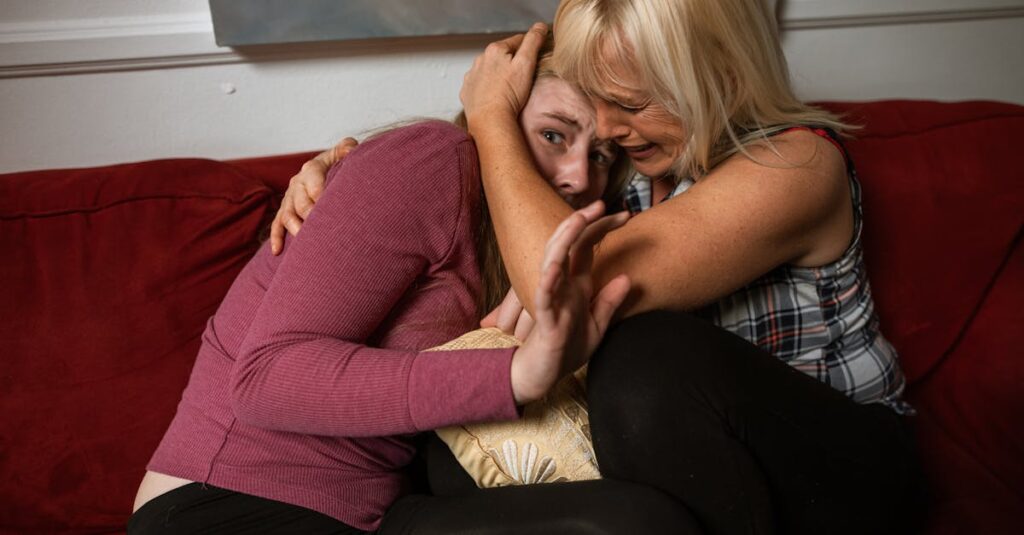
The Legal Framework (Rule)
Under RA 9262, remedies are protective in nature. Courts are empowered to issue protection orders that may include provisions on custody and parental access to prevent further harm.
Practical Application (How Courts Decide)
When evidence shows violence, threats, harassment, or abuse affecting the mother and/or the child, custody analysis is no longer about “equal parental rights.” Instead, courts focus on:
- Risk management
- Protection of the victim and the child
- The child’s long-term welfare
Legal Conclusion
Because RA 9262 is designed to prevent harm, credible VAWC allegations supported by evidence may justify awarding custody to the non-abusive parent and restricting access of the abusive parent, consistent with the best interest of the child.
For a broader discussion of how courts decide custody disputes, see our guide on Child Custody in the Philippines.
Custody of Children Below Seven (7) in VAWC Cases
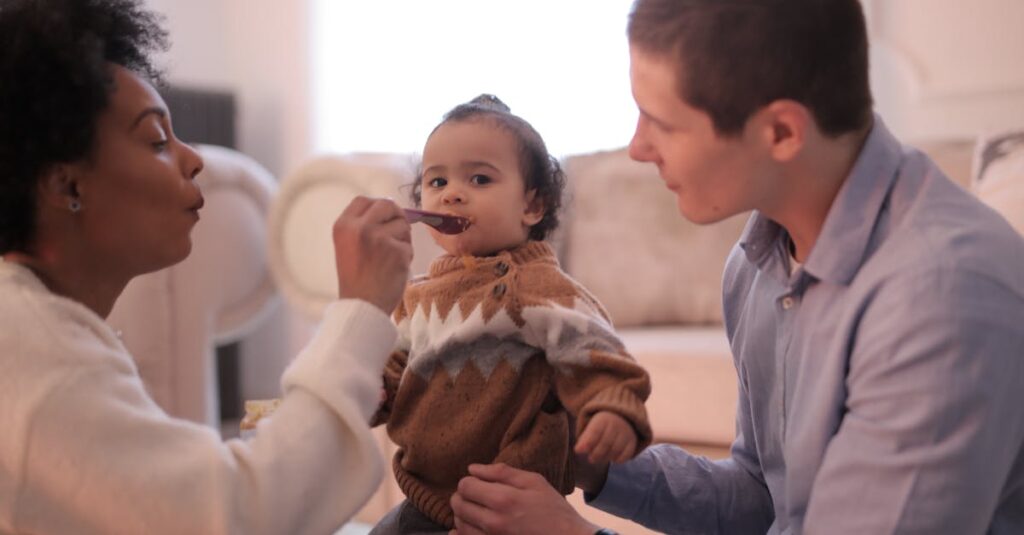
A core provision often invoked in VAWC-related custody disputes is Section 28 of RA 9262, which reflects the tender-age policy while allowing exceptions for compelling reasons.
“The woman victim of violence shall be entitled to the custody and support of her child/children. Children below seven (7) years old … shall automatically be given to the mother, with right to support, unless the court finds compelling reasons to order otherwise.”
Important Clarification
The word “automatic” does not mean “no hearing ever.”
It means the default rule favors the mother, but courts may still evaluate evidence of compelling reasons and the child’s welfare—especially if custody is challenged or unfitness is alleged.
Psychological Violence and Why It Matters for Child Custody

Psychological violence is one of the most common, and most misunderstood, bases in VAWC cases. It may include:
- Threats or intimidation
- Persistent harassment
- Public humiliation or ridicule
- Controlling or coercive behavior
- Emotional abuse witnessed by the child
- Acts or omissions causing mental or emotional anguish, including abandonment or deprivation of support (depending on proof)
Courts recognize that a child’s exposure to psychological violence, even if directed primarily at the mother, can harm the child’s development and sense of safety.
This may justify:
- Awarding custody to the protective parent
- Limiting or conditioning contact
- Requiring supervised visitation
- Issuing stay-away or no-contact directives consistent with child safety
Protection Orders (BPO, TPO, PPO) and Their Effect on Custody and Access
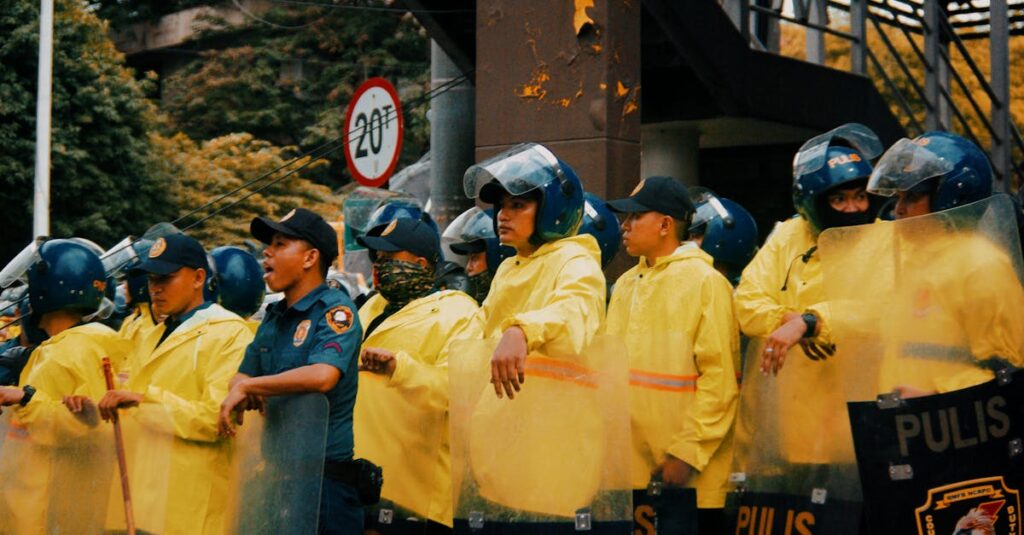
VAWC cases frequently involve Protection Orders, designed to provide immediate safety:
- Barangay Protection Orders (BPO) – issued ex parte by the Punong Barangay and effective for 15 days
- Temporary Protection Orders (TPO)
- Permanent Protection Orders (PPO)
Protection orders may:
- Grant temporary custody
- Restrict or regulate parental access
- Prohibit contact where risk exists
While initially temporary, courts may later consider the protection order record and supporting evidence when resolving longer-term custody and visitation issues.
Importantly, PPOs are not subject to compromise, although custody and visitation arrangements may still be adjusted by the court based on the child’s best interests and later developments.
Can the Accused Parent Still Get Custody or Protection Remedies?
Yes, in appropriate cases.
Courts have clarified that RA 9262 should not be interpreted so narrowly as to exclude situations where the mother is the alleged abuser of the child. Otherwise, the statute’s protection for children would be undermined.
The practical focus is on:
- Who poses the risk, and
- How best to protect the child
Not on stereotypes about who may or may not be an offender.
False or Exaggerated VAWC Allegations (Why Evidence Matters)
VAWC allegations carry serious consequences—custody restrictions, no-contact orders, and potential criminal exposure. Accordingly:
- Unsupported or inconsistent claims may damage credibility
- Overreaching narratives can backfire if contradicted by objective proof
- Courts typically look for credible testimony, documents, and a consistent narrative
Evidence matters.
VAWC, Visitation Rights, and Parental Access
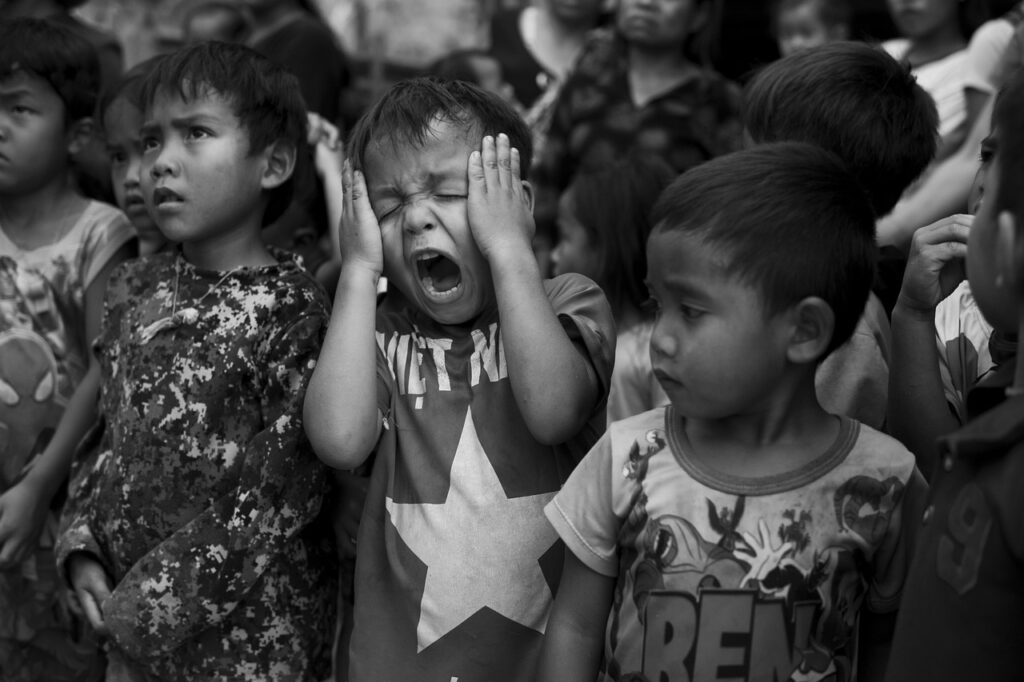
In VAWC-related custody disputes, visitation is not automatic. Courts may:
- Allow supervised visitation
- Impose conditions on access
- Temporarily suspend visitation when safety risks are high
The guiding question remains:
Does continued access place the child or the mother at risk?
If the answer is yes, protection may take priority over parental access.
Mediation Limits in VAWC-Linked Cases (Practice Note)
Under current rules, violations of RA 9262 are not subject to family mediation, and cases involving applications for protection or restraining orders are generally excluded.
Parties may still opt to mediate certain aspects—such as custody or support pendente lite—only if the court is informed and the case is otherwise appropriate.
This explains why “amicable settlement” may not be available in the usual way when VAWC and protection orders are involved.
Final Practice Point
It is legally inaccurate to say that filing a VAWC case automatically grants custody.
A safer and accurate summary is:
- Filing alone does not automatically grant custody
- Credible evidence of violence may justify protection orders affecting custody and access
- Section 28 of RA 9262 creates a strong default rule for children below seven, subject to compelling reasons
Protection orders must be properly grounded. Improper issuance may be sanctioned.
This article was prepared by Romualdez Law Offices as part of its Family Law practice, based on prevailing VAWC statutes, rules, and jurisprudence in the Philippines. Because custody matters involving allegations of violence are highly sensitive and fact-specific, concerns requiring legal assessment should be addressed through proper consultation.
Every case is different. If you’re dealing with a custody, corporate, or immigration issue, you may book a consultation with our office to assess your legal options properly.
Schedule a Consultation
Location
Soho 207 Mckinley Park Residences, 3rd ave. cor. 31st St., BGC, Taguig, Philippines, 1635
Email: executive@romualdezlaw.com
Contact Number: +63 952 489 1738
Pingback: VAWC Philippines (2026 Guide): Can Mothers Be Liable and Can Fathers File Cases? - Romualdez Law Offices