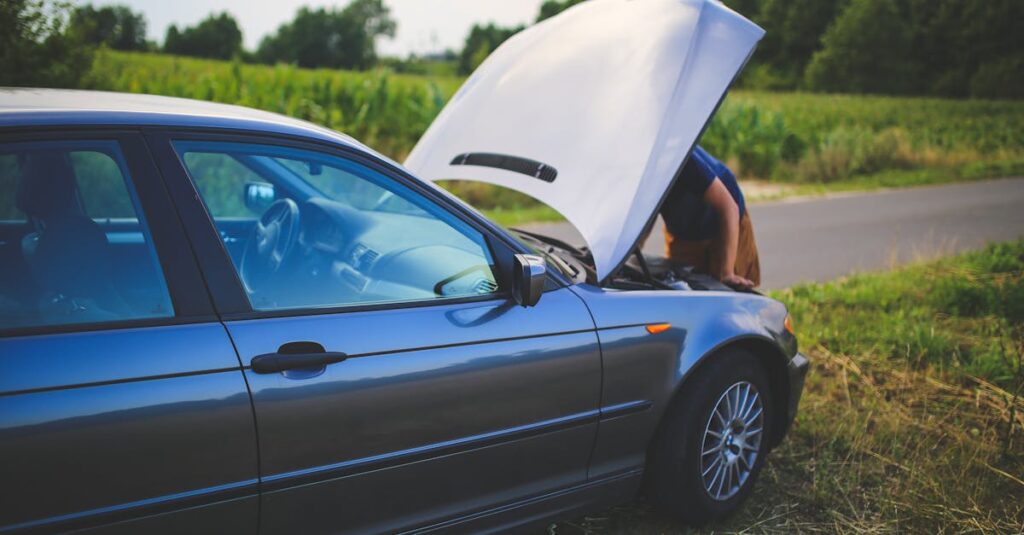
Buying a brand-new car or electric vehicle (EV) in the Philippines should give you reliability and peace of mind—not repeated breakdowns and endless repairs.
But what happens if your vehicle keeps failing despite multiple visits to the dealership?
The Philippine Lemon Law (Republic Act No. 10642) was enacted precisely to address this situation. It gives consumers a clear legal remedy when a brand-new motor vehicle, whether fuel-powered or electric, suffers from persistent defects that cannot be fixed within a reasonable period.
If your vehicle qualifies as a “lemon,” you may be entitled to a replacement or refund.
What is the Philippine Lemon Law (RA 10642)?
The Philippine Lemon Law (RA 10642) is a consumer protection law that applies to brand-new motor vehicles sold in the Philippines, including:
- Gasoline vehicles
- Diesel vehicles
- Hybrid vehicles
- Electric vehicles (EVs)
It ensures that buyers are not left helpless when their vehicle fails to meet quality or performance standards, even after multiple repair attempts.
The law covers defects affecting:
- Engine and transmission
- Electrical and onboard systems
- EV battery systems, charging components, and software reliability
Why is it Called the “Lemon Law”?
The term “lemon” originates from everyday language—not legal doctrine.
A “lemon” refers to a product that appears perfectly fine at the time of purchase but turns out to be defective, unreliable, or fundamentally flawed. The term became widely associated with defective cars in the United States, where buyers would unknowingly purchase vehicles that repeatedly broke down.
Over time, consumer protection laws adopted the term—hence, “Lemon Law.”
In legal terms, the concept reflects a situation where:
- The buyer relied on the assumption that the vehicle was in proper condition;
- The vehicle turns out to have latent or recurring defects; and
- The defects persist despite multiple repair attempts
In the Philippines, RA 10642 does not rely on the slang definition, but instead formalizes the concept through:
- Nonconformity to manufacturer standards, and
- Failure to correct defects within the Lemon Law rights period
This definition is especially relevant today with electric vehicles (EVs), where defects may involve:
- Software malfunctions
- Battery system failures
- Charging or electrical issues
Regardless of technology, the principle remains the same:
A vehicle that consistently fails despite repairs is, in effect, a “lemon.”
What is the Lemon Law Rights Period?
A central feature of RA 10642 is the “Lemon Law rights period.”
This refers to the specific timeframe from the date of delivery during which the buyer can invoke remedies under the law.
Within this period:
- The defect must be reported
- The dealer/manufacturer must be given the opportunity to repair
- The defect must persist after multiple repair attempts
Key Insight: The law is highly time-sensitive. Missing the rights period may significantly weaken your claim.
Does the Lemon Law Apply to Electric Vehicles in the Philippines?
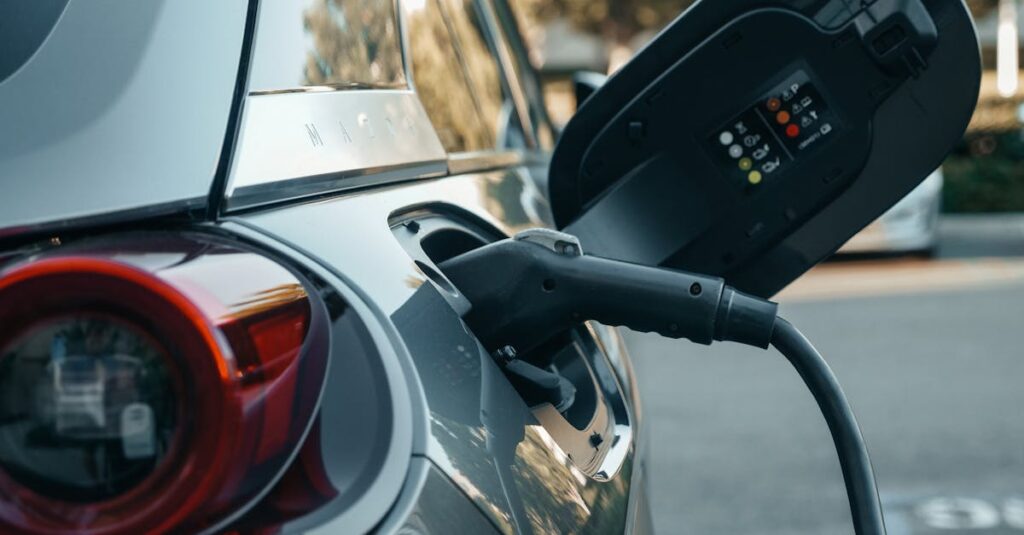
Yes. The law applies to all brand-new motor vehicles, including:
- Fully electric vehicles (EVs)
- Plug-in hybrid vehicles
- Vehicles with advanced electronic systems
This means EV buyers are protected against issues such as:
- Abnormal battery degradation
- Charging system failure
- Software or firmware glitches
- Electrical system defects affecting performance
As EV adoption grows in the Philippines, Lemon Law disputes involving electric vehicles are expected to increase, particularly due to the complexity of their systems.
When Does a Vehicle Qualify as a “Lemon”?
A vehicle may qualify as a “lemon” under RA 10642 when:
- The defect is reported within the Lemon Law rights period
- The dealer or manufacturer is given a reasonable opportunity to repair
- The defect persists after multiple repair attempts
The law focuses on persistent nonconformity, not isolated issues.
For electric vehicles, this may include recurring:
- Battery system errors
- Charging interruptions
- Software failures or resets
What Remedies Can You Demand Under the Lemon Law?
Once the legal threshold is met, RA 10642 provides enforceable remedies, not just theoretical rights.
1. Replacement
You may demand a brand-new replacement vehicle, identical or comparable in value.
2. Refund
You may demand a refund of the purchase price, subject to reasonable deductions (e.g., usage).
These remedies apply equally to traditional vehicles and electric cars, ensuring uniform consumer protection.
How to Build a Strong Lemon Law Claim
A successful claim depends heavily on documentation and consistency.
1. Keep All Repair Records
Secure copies of:
- Job orders
- Service invoices
- Diagnostic reports
2. Put Complaints in Writing
Always report defects via:
- Formal demand letters
Avoid relying on verbal communication.
3. Be Consistent
Describe the defect clearly and consistently across all records.
4. Track All Timelines
Monitor:
- Delivery date
- Repair attempts
- Duration of repairs
This ensures compliance with the Lemon Law rights period.
Common Misconceptions About the Philippine Lemon Law
Myth #1: It Applies to Used Cars
Incorrect.
The law applies only to brand-new vehicles, including EVs.
Myth #2: One Repair Attempt is Enough
Incorrect.
The law requires multiple repair attempts before remedies arise.
Myth #3: Electric Vehicles Are Not Covered
Incorrect.
EVs are covered as long as they are brand-new motor vehicles sold in the Philippines.
When Should You Consult a Lawyer?
You should consult a lawyer if the dealer or manufacturer:
- Refuses to properly document repairs
- Delays action or ignores complaints
- Denies responsibility despite repeated defects
- Minimizes recurring issues (common in EV software-related problems)
Legal guidance ensures that your claim is properly positioned, documented, and enforced.
This article is prepared by Romualdez Law Offices to guide clients in understanding and enforcing their legal rights.
Schedule a Consultation
Location
Soho 207 Mckinley Park Residences, 3rd ave. cor. 31st St., BGC, Taguig, Philippines, 1635
Email: executive@romualdezlaw.com
Contact Number: +63 952 489 1738